Understanding the Influence of Ingenious Irrigation Solutions on Environmental Sustainability
Cutting-edge Irrigation systems play a crucial function in advertising environmental sustainability within agriculture. These modern technologies, including drip and wise Irrigation, maximize water usage while minimizing waste. They add to boosted crop yields and boost soil wellness. The broader ramifications of these systems on water preservation and community strength stay to be completely discovered. Recognizing these dynamics could reveal essential strategies for attending to pushing international obstacles.
The Importance of Water Conservation in Agriculture
As agricultural demands remain to climb, the relevance of water preservation in farming has actually become increasingly apparent. Water functions as a significant source for plant manufacturing and animals management, yet its availability is typically restricted. Efficient water usage is vital to sustain agricultural productivity while dealing with environmental worries. Farmers face difficulties such as climate change, population development, and urbanization, every one of which aggravate water deficiency. Implementing water conservation practices, such as rainwater harvesting, soil wetness administration, and crop rotation, can improve water efficiency and decrease dependency on traditional Irrigation methods. Additionally, these practices add to dirt wellness and biodiversity, promoting a much more sustainable agricultural community. By prioritizing water preservation, farmers not just protect their incomes however likewise play an important function in securing natural water sources. Ultimately, effective water management methods are vital for balancing farming demands with environmental sustainability in a progressively resource-constrained world.
Review of Ingenious Irrigation Technologies
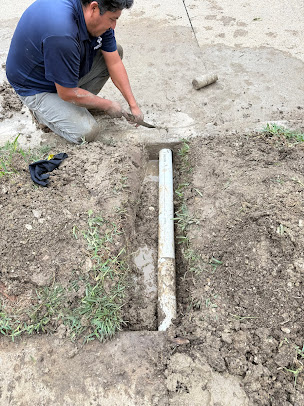
Ingenious Irrigation innovations are improving the landscape of agricultural water management, structure upon the foundation of water preservation techniques. These innovations aim to boost efficiency, decrease water waste, and guarantee sustainable farming productivity. Amongst the advancements are wise Irrigation systems that utilize sensing units and weather data to optimize water application, guaranteeing that crops receive the specific quantity required for growth. Furthermore, automated Irrigation scheduling permits farmers to program watering times based upon real-time problems, even more preserving water resources.
Innovations such as dirt moisture sensors supply important feedback on soil hydration degrees, making it possible for more informed decisions concerning Irrigation. Various other developments consist of rainwater harvesting systems, which save and accumulate rainwater for agricultural usage, and advanced monitoring systems that track water use and system efficiency. Jointly, these innovative Irrigation innovations add to more sustainable farming methods and assist deal with the obstacles positioned by climate modification and water deficiency.
Drip Irrigation: Making The Most Of Performance and Minimizing Waste
Leak Irrigation attracts attention as one of the most effective approaches for delivering water directly to the roots of plants, making certain that minimal water is lost to evaporation or drainage. This system makes use of a network of tubes and emitters to offer a precise and consistent supply of water, adapting to the certain demands of different plants. By concentrating on the origin area, drip Irrigation not only saves water however likewise promotes much healthier plant development and higher returns.
Furthermore, this approach lowers the threat of soil erosion and nutrient leaching, contributing to much better soil wellness. Compared to typical Irrigation approaches, drip Irrigation significantly decreases water intake, making it a lasting choice for farming, particularly in arid regions. Its capability to incorporate with different soil kinds and crop varieties even more improves its versatility, making it a crucial tool in promoting environmental sustainability and accountable water monitoring in farming techniques.
Smart Irrigation Solutions: Harnessing Information for Better Source Administration
While typical Irrigation techniques commonly count on set schedules that might not represent differing climate condition or plant demands, clever Irrigation systems utilize advanced technology to enhance water use. These systems make use of sensors, weather information, and soil wetness readings to make real-time modifications, making certain that water is delivered precisely when and where it is needed. By examining ecological problems, clever Irrigation can minimize water usage significantly while preserving plant health.
Furthermore, these systems commonly integrate with mobile applications, allowing farmers to keep track of and regulate their Irrigation remotely. This data-driven method not just improves source management yet additionally promotes sustainable farming techniques. Consequently, wise Irrigation systems add to decreased water waste, lower operational prices, and improved crop yields. In a period of raising water shortage, their implementation represents a significant action towards accomplishing ecological sustainability in farming.
The Role of Rain Harvesting in Lasting Agriculture
How can rainwater harvesting change farming techniques? This approach captures and stores rainwater for agricultural usage, substantially enhancing water accessibility and advertising lasting farming strategies. By effectively utilizing rainwater, farmers minimize dependency on standard water resources, consequently saving groundwater and surface water supplies. Rain collecting systems can be adapted to different scales, from small household configurations to bigger area projects, making them obtainable to diverse farming setups.
In addition, the assimilation of rainwater harvesting contributes to soil preservation by reducing erosion and boosting soil dampness retention. This technique likewise helps mitigate the impacts of droughts and uneven rainfall patterns, which are significantly typical as a result of environment adjustment. Generally, rain harvesting works as a positive technique in sustainable farming, promoting water resilience and advertising environmental sustainability while sustaining the source of incomes of farmers.
Effect On Plant Yield and Soil Wellness
The combination of cutting-edge Irrigation systems has a significant effect on crop return and dirt health and wellness. These systems, such as drip and sprinkler Irrigation, deliver water much more successfully, making sure that plants receive excellent wetness degrees. This targeted strategy advertises much healthier plant development, resulting in higher yields compared to typical Irrigation approaches. Furthermore, by reducing water wastage, innovative systems aid preserve useful sources, adding to lasting agricultural techniques.

Future Trends in Irrigation and Environmental Sustainability
As the agricultural market progresses, future fads in Irrigation will progressively concentrate on clever innovations that enhance water usage. The combination of sustainable water sources and climate-resilient methods is becoming important for guaranteeing ecological sustainability. These advancements promise to improve resource efficiency while adapting to transforming climatic problems.
Smart Irrigation Technologies
While traditional Irrigation approaches have actually long controlled agricultural techniques, the development of wise Irrigation technologies is reshaping the landscape of water monitoring. These innovative systems utilize data-driven insights, incorporating sensing units, weather report, and dirt wetness degrees to enhance water usage. By using real-time tracking, clever Irrigation can substantially reduce water wastage and boost plant returns. Additionally, these modern technologies often facilitate precision farming, allowing farmers to tailor their Irrigation methods to the details requirements of different plants. The fostering of wise Irrigation not only advertises ecological sustainability by conserving water sources yet also supports economic practicality for farmers. As understanding of these benefits grows, the future of agriculture may progressively count on wise Irrigation remedies to address international water deficiency challenges.
Eco-friendly Water Resources
Arising trends in Irrigation are significantly concentrating on sustainable water sources to enhance ecological sustainability. The utilization of rain harvesting, greywater recycling, and desalination procedures exhibits this shift towards sustainable practices. By tapping into these renewable sources, farming systems can reduce dependancy on traditional freshwater products, which are often overexploited. Implementing ingenious Irrigation systems that utilize eco-friendly water not only saves dig this sources yet additionally lessens environmental degradation linked with conventional methods. Additionally, these systems add to boosted dirt health and biodiversity, sustaining community strength. As the demand for water magnifies as a result of climate change and population her response growth, the integration of sustainable water resources in Irrigation approaches will be critical for making certain long-term agricultural productivity and ecological sustainability.
Climate-Resilient Practices
Climate-resilient methods are changing Irrigation methods to adapt to the challenges postured by environment change. These techniques incorporate sophisticated modern technologies and sustainable strategies to boost water efficiency and soil health and wellness. Drip Irrigation systems decrease water waste while delivering specific amounts to crops, thus ensuring ideal development also during dry spell conditions. Additionally, making use of rain harvesting and soil moisture monitoring devices allows farmers to make enlightened decisions relating to Irrigation timetables. Such adaptive techniques not only assist in conserving water sources however additionally add to lowering greenhouse gas discharges related to standard Irrigation approaches. As environment irregularity becomes much more obvious, accepting these innovative practices will certainly be important for fostering environmental sustainability and making certain food security in the future.
Regularly Asked Concerns
Exactly How Do Ingenious Irrigation Solutions Affect Local Ecosystems?
Innovative Irrigation systems substantially influence local communities by optimizing water use, reducing drainage, and promoting soil health. These systems can boost biodiversity and resilience, fostering a much more sustainable balance in between farming methods and environmental preservation.
What Are the Costs Connected With Implementing These Technologies?
The expenses related to applying innovative Irrigation systems include preliminary financial investment, maintenance costs, training for operators, and prospective upgrades - Cheap sprinkler repair. These financial considerations can differ significantly based on technology type, range of execution, and regional variables
Are There Any Kind Of Disadvantages to Using Smart Irrigation Solutions?
The drawbacks of using wise Irrigation systems consist of high preliminary expenses, prospective technological malfunctions, reliance on electrical energy, and the requirement for regular maintenance. These variables can prevent their adoption, particularly in resource-limited areas.

How Can Farmers Change to Cutting-edge Irrigation Practices?
Farmers can shift to innovative Irrigation techniques by embracing sophisticated innovations, participating in training programs, collaborating with farming professionals, and progressively applying new systems while checking their performance to guarantee efficiency and sustainability in water usage.
What Role Do Federal Government Policies Play in Supporting Sustainable Irrigation?
Federal government policies substantially influence lasting Irrigation practices by providing economic incentives, developing policies, and promoting study. These procedures encourage farmers to embrace innovative innovations, eventually boosting water performance and minimizing environmental impacts in agricultural fields.
Applying water conservation methods, such as rain harvesting, dirt wetness monitoring, and plant rotation, can improve water effectiveness and minimize dependency on conventional Irrigation techniques. By focusing on water preservation, farmers not only safeguard their resources yet also play a vital function in protecting natural water sources. Ingenious Irrigation technologies are improving the landscape of farming try this website water administration, building upon the foundation of water preservation techniques - Cheap sprinkler repair. Trickle Irrigation stands out as one of the most efficient methods for providing water straight to the origins of plants, making certain that minimal water is lost to evaporation or overflow. By properly utilizing rainwater, farmers decrease reliance on traditional water resources, therefore preserving groundwater and surface water supplies
Comments on “The benefits of using Drip Foundation systems for efficient irrigation setups”